
Eye Drop Recall – EzriCare Lawsuit
If you’ve experienced adverse effects from EzriCare eye drops, including eye infections or vision loss, our team is here to help. Discover your legal rights and pursue compensation through the EzriCare Lawsuit with expert guidance.

Written by: Nicky from LegalClaimAssistant.com Last updated: April 4, 2024
Find Quickly
Claim
Attorney
Settlement
Table of Contents
Information about the Eye Drop Recall from EzriCare
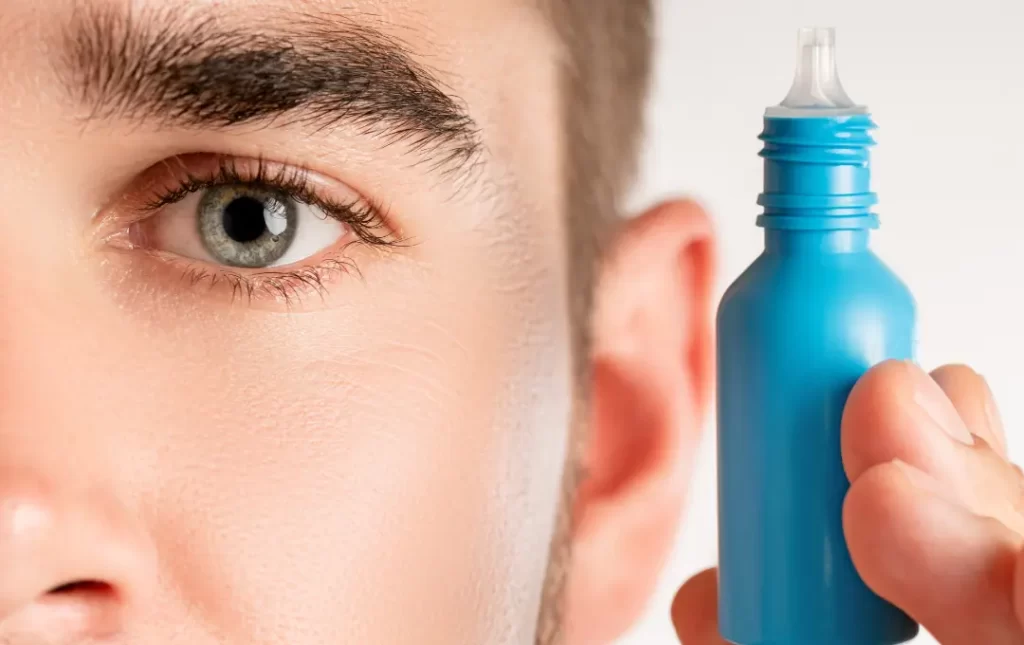
In recent months, a significant health concern has emerged due to the recall of certain eye drops, including those marketed by Ezricare. These products, intended for relieving eye irritation and providing dry eye relief, have been linked to serious adverse events, including eye infections that could lead to partial vision loss. This situation has highlighted the importance of adhering to safe manufacturing practices, especially in critical drug production areas.
Understanding the Ezricare Lawsuit
Victims of the recalled eye drops, particularly those who have suffered from eye infections or vision loss, are now seeking justice and compensation through the Ezricare lawsuit. This legal action targets the manufacturers, such as Kilitch Healthcare India, and retailers like CVS and Rite Aid, for failing to warn consumers about the potential risks associated with their products.
Need help filing a EzriCare Claim?
The Role of FDA in the Recall Process
The FDA has played a crucial role in addressing this health crisis by warning consumers not to purchase or use eye drops from the affected batches. Investigations by FDA investigators into the manufacturing facility revealed positive bacterial test results and unsanitary conditions, prompting a voluntary recall of the eye drops.
Legal Options for Affected Consumers
Affected consumers of the eye drop recall, especially those experiencing eye infections or partial vision loss from products like artificial tears sold by CVS, Rite Aid, and other eye drop retailers, have legal options. The recall, prompted by risks of eye infections linked to products from Kilitch Healthcare India Limited and others, underscores the importance of consulting with a lawyer for an Ezricare lawsuit. If you’ve used recalled lubricant eye ointments or drops and suffered adverse events, seeking legal advice can help you understand your rights to compensation for harm caused by these defective products. The FDA warns consumers about the potential risk, emphasizing the urgency to immediately stop using affected products and contact an eye care provider for guidance.
The Importance of Reporting Adverse Events
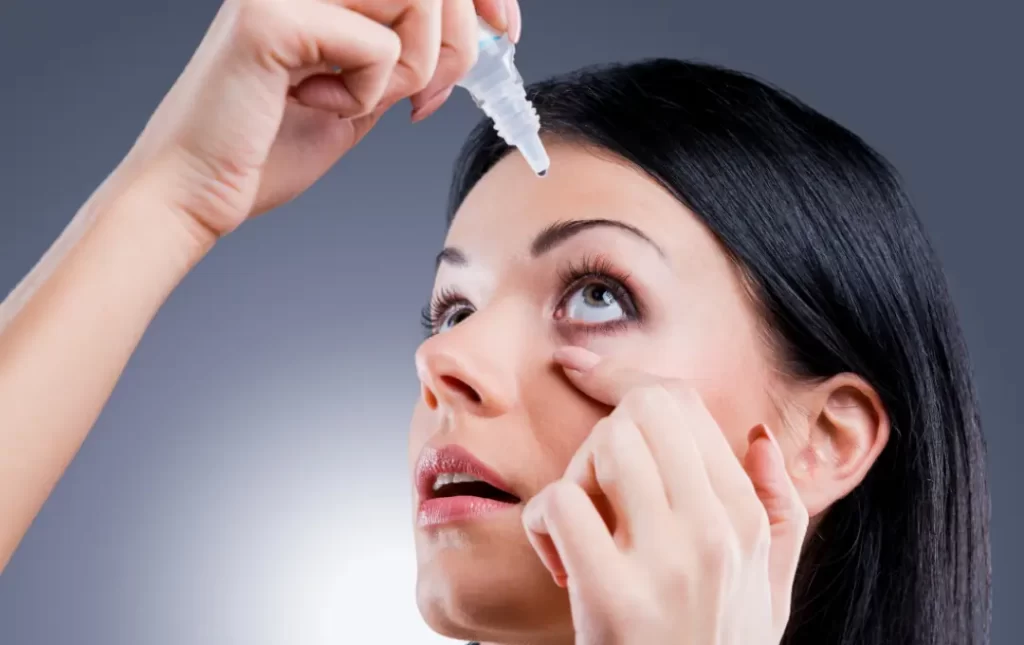
Reporting adverse events following an eye drop recall is crucial for consumer safety and disease control. Whether it’s a mild irritation or more severe eye infections from products like CVS Health’s lubricating eye or Rite Aid’s triple pack carboxymethylcellulose sodium eye drops, notifying health authorities helps monitor the risk of eye infections widely. It supports the FDA’s efforts in warning consumers about recalled products, ensuring public health is safeguarded against potential risks from defective eye drops, including those leading to an Ezricare lawsuit.
How to Protect Yourself from Recalled Eye Drops
To protect yourself from recalled eye drops and mitigate the risk of eye infection, always check the expiration date and recall notices before use. Be vigilant of products sold at CVS, Rite Aid, and by Cardinal Health, especially if they’re for dry eye relief or as a mild moderate lubricating eye solution. The FDA is warning consumers about certain eye drops recalled due to potential risks, including those from the Harvard Drug Group and Velocity Pharma. Look for advisories on lubricant eye ointments and polyvinyl alcohol eye solutions. In case of adverse reactions, immediately stop using the product and consult with an eye care provider. Being informed can shield you from potential eye infections that could lead to severe conditions like vision loss or blindness, and it’s a crucial step if considering an Ezricare lawsuit.
Find out how much your eye drop recall payout could be:
FAQ on Ezricare Eye Drop Recall Lawsuit
What is the Ezricare eye drop recall? The recall involves specific batches of Ezricare eye drops linked to adverse events, including eye infections and potential vision loss, due to contamination and unsafe manufacturing practices.
Why were Ezricare eye drops recalled? Ezricare eye drops were recalled following FDA investigations that revealed unsanitary conditions in the manufacturing facility, leading to a significant risk of eye infections among users.
Can I file a lawsuit if I’ve been affected by Ezricare eye drops? Yes, if you’ve suffered an eye infection or other adverse effects after using the recalled Ezricare eye drops, you may be eligible to file a birth injury lawsuit against the manufacturers and retailers for compensation.
What can I recover from an Ezricare lawsuit? Plaintiffs may seek compensation for medical expenses, pain and suffering, loss of income, and punitive damages related to the adverse effects experienced from using the defective product.
How do I know if I’m affected by the recall? Check your eye drop packaging for the brand name, batch numbers, and expiration dates listed in the recall notice. If your product matches, cease use immediately and consult a healthcare provider.
Should I consult a lawyer for an Ezricare eye drop lawsuit? Yes, consulting with an experienced birth injury attorney specializing in medical malpractice and product liability cases can provide you with the legal guidance and support needed to pursue a claim.
Is there a deadline to file an Ezricare lawsuit? Yes, product liability lawsuits have statutes of limitations that vary by state. Contact a lawyer as soon as possible to ensure your case is filed within the legal timeframe.

Seeking Compensation: The Path Forward
For those affected by the eye drop recall, including products from Rite Aid and CVS Health, seeking compensation is a crucial step towards recovery, especially if you’ve suffered eye infections or vision loss. If you’ve experienced adverse events from using lubricant eye ointments or carboxymethylcellulose sodium eye drops, it’s essential to understand your rights. Consulting with a lawyer for an Ezricare lawsuit can guide you through the legal process, from documenting your case to navigating FDA findings, like environmental sampling results or identified contaminants like Pseudomonas aeruginosa. An Ezricare lawsuit settlement can offer financial relief for the harm caused, providing compensation for medical treatments required due to defective products, ranging from lubricating eye drops for dry eyes to more severe cases potentially leading to blindness.
Find out if you qualify:
Conclusion: Ensuring Safe Use of Eye Drops
Ensuring the safe use of eye drops is paramount for maintaining eye health and avoiding complications. Always check expiration dates and ensure that products like lubricant eye ointment and propylene glycol eye solutions are stored properly and purchased from reputable sources. Be cautious with products found on store shelves, especially those meant for use with contact lenses or as eye irritation relief. In rare cases, improperly formulated or contaminated eye drops can bypass the body’s natural defenses, leading to potential risks of eye infections. If you suspect that your eye health has been compromised by defective products, consult with a lawyer specializing in the Ezricare eye drops lawsuit or similar legal actions. An Ezricare lawsuit lawyer can provide guidance on seeking compensation through an Ezricare recall lawsuit, ensuring you receive the support and justice you deserve. Remember, vigilance and informed choices are key to protecting your vision and overall well-being.
Legal Rights and Support
Legal Claim Assistant provides crucial support for navigating legal rights related to eye health issues from products like Ezricare artificial tears. Whether it’s a single or twin pack with varying expiration dates or issues with drugs applied, including tetrahydrozoline hydrochloride, we connect you with a lawyer for an Ezricare lawsuit, addressing potential risks of eye damage.
Need help with your Claim?

Get Legal Help Now
Check if a top attorney can seek compensation for you.
Call Now – Open 24/7
888 951-3643
Written by:
Nicky from LegalClaimAssistant.com
LegalClaimAssistant.com simplifies the process of pursuing legal action. Access information, lawsuit guides, and updates on drugs, products, and other matters that may impact you.
4 References
- Holpuch, Amanda. “Two Army Veterans Awarded $110 Million in 3M Earplug Lawsuit.” The New York Times. January 28, 2022. Retrieved on May 12, 2022 from https://www.nytimes.com/2022/01/28/us/veterans-earplugs- 3m-lawsuit.html
- LexisNexis® Legal Insights. “Product liability & strict liability.” January 06, 2021. Retrieved on May 5, 2022 from https://www.lexisnexis.com/community/insights/legal/b/thought-leadership/posts/understanding-the- interplay-between-strict-liability-and-products-liability
- National Highway Traffic Safety Administration. “Letter to Tesla: Full Self-Driving Software May Cause Crash.” Retrieved from: https://static.nhtsa.gov/odi/rcl/2023/RCAK-23V085-2525.pdf. Accessed on February 17, 2023.
- Unified Parkinson’s Advocacy Council. “Paraquat Dichloride Registration Review.” July 24, 2017. Retrieved on May 12, 2022 from https://files.michaeljfox.org/Paraquat_letter_FINAL.pdf
Written by:
Nicky from LegalClaimAssistant.com
LegalClaimAssistant.com simplifies the process of pursuing legal action. Access information, lawsuit guides, and updates on drugs, products, and other matters that may impact you.
4 References
- Holpuch, Amanda. “Two Army Veterans Awarded $110 Million in 3M Earplug Lawsuit.” The New York Times. January 28, 2022. Retrieved on May 12, 2022 from https://www.nytimes.com/2022/01/28/us/veterans-earplugs- 3m-lawsuit.html
- LexisNexis® Legal Insights. “Product liability & strict liability.” January 06, 2021. Retrieved on May 5, 2022 from https://www.lexisnexis.com/community/insights/legal/b/thought-leadership/posts/understanding-the- interplay-between-strict-liability-and-products-liability
- National Highway Traffic Safety Administration. “Letter to Tesla: Full Self-Driving Software May Cause Crash.” Retrieved from: https://static.nhtsa.gov/odi/rcl/2023/RCAK-23V085-2525.pdf. Accessed on February 17, 2023.
- Unified Parkinson’s Advocacy Council. “Paraquat Dichloride Registration Review.” July 24, 2017. Retrieved on May 12, 2022 from https://files.michaeljfox.org/Paraquat_letter_FINAL.pdf